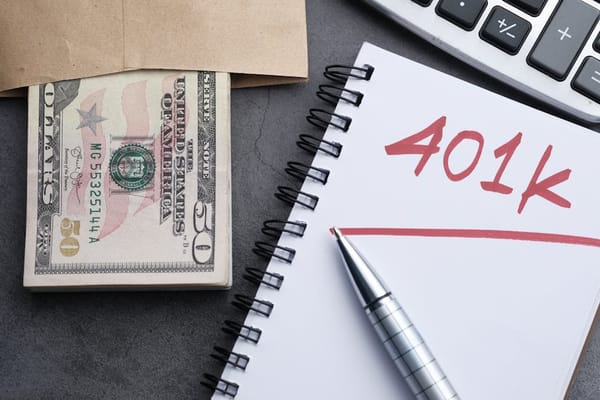
mega backdoor The Mega Backdoor Roth: $46,000 in After-Tax 401(k) Contributions If your 401(k) plan allows after-tax contributions and in-plan Roth conversions, you can sock away $46,000 per year on top of the regular $23,500.
backdoor roth The Backdoor Roth: A Step-by-Step Guide for Earners Above the Limit The Roth phases out at $161,000 single. The backdoor is perfectly legal — and also very easy to mess up. Here's how to do it right.
Roth IRA Roth IRA vs. Traditional IRA in 2026: Which One Wins at Your Income Level The 2026 contribution limit is $7,000. Whether that goes Roth or Traditional depends on your marginal bracket today vs. retirement — with specific numbers.
QQQ QQQ Is Not an Index Fund: What Tech-Heavy Buyers Are Actually Buying QQQ tracks 100 NASDAQ stocks, mostly tech. Calling it "the market" is how investors end up 60% concentrated in seven companies.
S&P 500 Total Market Index vs. S&P 500: The 12% Difference Nobody Talks About S&P 500 is 500 large-caps. Total market is ~3,700 companies. The extra mid and small caps change returns by about 12% over a full cycle.
small cap Small-Cap Value: The Factor Premium That Still Works (Probably) Fama and French found small-cap value outperforms by 4% annually. Since 2008, it's been ugly. Here's when it still makes sense.
international stocks International Diversification: How Much VXUS Should You Actually Own Vanguard says 40%. Buffett says 0%. The historical data says the answer depends on a question most investors skip.
mutual funds The Real Costs of Actively Managed Funds (Hint: It's Not Just the Fee) Beyond the expense ratio: trading costs, tax inefficiency, and style drift. The total drag averages 2.3% per year. Your broker won't tell you this.
expense ratio Expense Ratios Are Quietly Eating Your Retirement: A Brutal Math Lesson A 1% expense ratio sounds small. Over 35 years of compounding, it's a $300,000 paycut. The math shows why 0.03% funds are non-negotiable.
vanguard VTI vs. VOO vs. VTSAX: Which Vanguard Fund Belongs in Your Account All three track big US stocks, but the differences matter for taxes, minimum buy-ins, and how you actually invest monthly.
Index Funds The 3-Fund Portfolio: Why Most Investors Don't Need Anything More Complicated VTSAX, VTIAX, VBTLX. Three funds, 10 minutes a year, historically competitive with the managed stuff. Here's why simple wins.