The Best Days to Be in the Market Happen Right After the Worst
Miss the 10 best days in any 20-year window: your return drops 50%. Seven of those 10 best days happened within two weeks of the 10 worst. You can't selectively miss one.
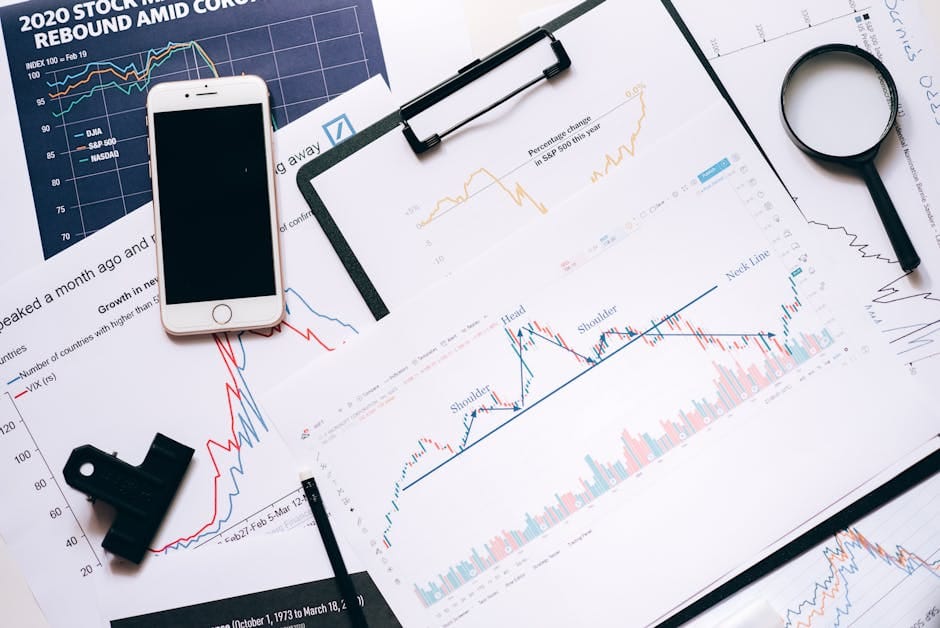
Seven of the 10 best days in the S&P 500 over the last 30 years happened within two weeks of one of the 10 worst days. They cluster in the same volatile periods. You can't systematically miss one without missing the other.
This is why market timing destroys returns. The big up days and big down days happen in close proximity. Being out during the down days means being out during the up days, and the up days matter more mathematically.
The Clustering Data
JPMorgan analyzed S&P 500 data 1994-2023. Findings:
- 10 best days total added roughly 80% to cumulative return
- 10 worst days subtracted roughly 70%
- 7 of 10 best days occurred within 14 days of a worst day
- 6 of 10 worst days had a best-10 day within the same calendar month
October 2008: contained both major crashes and major rallies, days apart. March 2020: similar. Volatile periods produce BOTH directions of big moves.
The "Missed Best Days" Math
$10,000 in S&P 500 index 1994-2024:
- Fully invested: $227,000 (10.8% annualized)
- Missed 5 best days: $156,000
- Missed 10 best days: $108,000
- Missed 20 best days: $61,000
- Missed 30 best days: $38,000
- Missed 50 best days: $14,000
Missing just 10 best days over 30 years cuts returns by more than half. Missing 50 essentially eliminates all gains — you'd have been better in a savings account.
Why the Pattern Exists
Markets don't trend smoothly. They cluster — volatile periods followed by calm periods. During volatile periods, both positive and negative shocks amplify.
Contributing factors:
- Forced selling (margin calls, fund redemptions) creates artificial lows
- Short-covering rallies create sudden spikes
- Unexpected news (Fed decisions, economic data) causes instant repricing
- Algorithmic trading amplifies both directions
Quiet markets don't produce top-10 days in either direction.
The Timing Contradiction
If you sold before the crash to "protect" yourself, you're now waiting in cash. You need to buy back. When?
Option 1: Buy back when "things stabilize." This means after clear rallies. You miss the first 30-50% of recovery, including most of the best 10 days.
Option 2: Buy back during the crash. This requires conviction to catch a falling knife. Very few investors do this, and those who do usually buy too early and catch more downside before the actual bottom.
Either way, market timing loses. The only way to capture best days is to stay invested through worst days.
The Research Consistency
Multiple studies in multiple markets find similar results. Australian stocks, UK, Japan — all show best and worst days cluster tightly. The pattern isn't a US artifact; it's a market structure phenomenon.
The Behavioral Counterweight
Most investors can't stomach 30% drawdowns without acting. The academic answer is "ignore drawdowns, stay invested." The behavioral answer is "some people simply can't do that."
For those people, the solution isn't market timing (which fails). It's asset allocation: lower equity exposure that doesn't experience 30% drawdowns. A 60/40 portfolio drops maybe 15% in a bad year. A 40/60 portfolio drops 10%. These are tolerable for most people.
Better to hold 50% stocks and keep them than 80% stocks you panic-sell.
The Simple Rule
Set your allocation based on what you can hold through 30%+ drawdowns. Once allocated, don't touch it. Don't sell before crashes (you can't predict them). Don't buy back after crashes (you'll miss the best days). Just hold.
This requires more patience than most investors have. But the data is clear: patience beats timing, every decade, every market.